Mindfulness Helps Kids Perform Better at Math - BBIs Works!
- Reed Pryor, Harvard College; Lillian Chang, AMFF
- Feb 18, 2025
- 4 min read
Imagine your mind is like a snow globe. When you shake it, the snow whirls around chaotically, making it hard to see through the glass. But when you set it down and let it be still, the snow settles, and clarity emerges. This is exactly what mindfulness does for our brains—it helps settle the mental storm so we can think clearly, focus better, and even perform at our best academically.
Over the past decade, mindfulness and meditation have captured the attention of researchers worldwide. Studies show that practicing mindfulness can lift moods, strengthen relationships, and even boost physical health. But could it also sharpen children’s learning abilities, particularly in subjects like math? Scientists decided to find out, and their discoveries might just change the way we approach education. Let’s dive into this research paper: Voltmer, K., Hondrich, F., & von Salisch, M. Daily breath-based mindfulness exercises in a RCT improve primary school children’s performance in arithmetic, Scientific Reports (2023).
The Math and Mindfulness Connection
The COVID-19 pandemic threw a wrench into children’s education, leaving many students struggling to keep up, especially in subjects like science, reading, and math. But what if short mindfulness breaks—tiny moments of focused breathing—could help young minds bounce back?
These researchers led a fascinating study in 2023, testing whether just a few minutes of deep breathing, called Breath-Based Interventions (BBIs), could enhance math performance for third and fourth graders. Their results were eye-opening: Even these brief mindfulness exercises led to improved scores on math tests. Think of it like pressing the reset button on a cluttered computer screen—mindfulness gives children’s brains a fresh start, helping them approach problems with greater focus and calmness.
Inside the Brain: What’s Really Happening?
To uncover how mindfulness works its magic, scientists placed people in MRI scanners before and after mindfulness training. They found heightened activity in the intraparietal sulcus—a brain region linked to arithmetic skills. In simple terms, mindfulness training seemed to ‘wake up’ the part of the brain that helps with math. It’s like turning up the brightness on a dim flashlight—suddenly, everything becomes clearer.
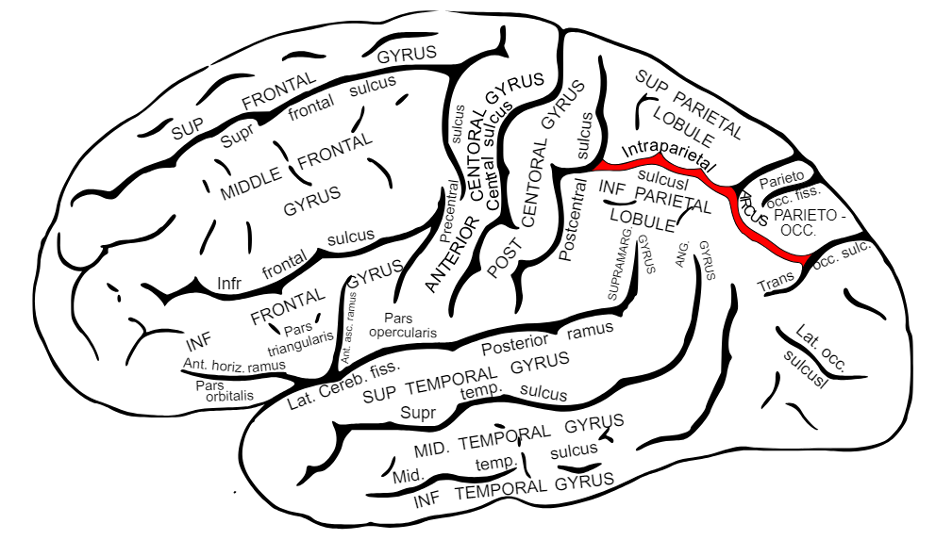
However, previous studies only measured math ability through teacher-assigned grades, which can be subjective. And they were often short-term, leaving the long-term benefits of mindfulness uncertain. So, researchers dug deeper.
A Closer Look: Mindfulness in the Classroom
In September 2021, nine teachers across five German schools were trained to lead students in 15 short BBIs—quick breathing and relaxation exercises designed to enhance focus and calm emotions. These exercises lasted only 3-5 minutes each and taught kids how to breathe mindfully, release stress, and let go of distracting emotions.
A total of 140 students participated, all in third or fourth grade. They took three math tests: one at the start of the study (T1), another two months later (T2), and a final test five months in (T3). Along the way, teachers also rated how well the children understood math concepts.
They put these kids in an MRI scanner to measure the activity of their brains before and after they went through mindfulness training.
What Did They Find?

At the start, students who practiced BBIs already had slightly higher math scores than those who didn’t. Both groups saw a temporary dip in scores—understandable, given that the study took place during a pandemic and schools had to close. But here’s where things got interesting: by the end of the study, the students who participated in BBIs had bounced back much stronger, significantly outperforming those who didn’t engage in mindfulness exercises.
Teachers also noticed a difference. Students in the mindfulness group were more likely to be rated as above average in math understanding compared to their peers. While not statistically overwhelming, the trend was clear—mindfulness was making a difference.
Why Does Mindfulness Help with Math?
Let’s think of the brain like a radio. If there’s too much static, it’s hard to hear the music. Mindfulness clears out the mental noise, allowing children to tune into what really matters: solving math problems with focus and confidence.
Here’s how it works:
Sharper Focus: Mindfulness helps kids tune out distractions and zero in on the problem in front of them.
Calmer Nerves: Instead of spiraling into negative thoughts like “I’m terrible at math,” mindfulness rewires their thinking so they can approach challenges with confidence.
Self-Compassion: When children learn to be kind to themselves, they stop getting stuck in frustration and instead work towards finding solutions.
Essentially, mindfulness helps children stop thinking “I don’t know how to do this, I don’t know how to do this” over and over, because present awareness stops these thoughts. When they stop this thinking, they direct their limited attention and cognitive resources away from unproductive thought, and can use it to productively solve math problems.
BBIs are simple, quick, and easy to teach, yet their impact can be profound. They offer a promising way to help students recover from pandemic-related setbacks—and might even accelerate learning in high-achieving students. As this field of research grows, one thing is clear: mindfulness isn’t just a relaxation tool—it’s a game-changer for young minds.
So, the next time your child or student struggles with math, try this: Take a deep breath, let go of the noise, and give their brain a moment to reset. Who knows? That tiny pause might just be the key to unlocking their full potential.


Comments